
1. Basmati Rice
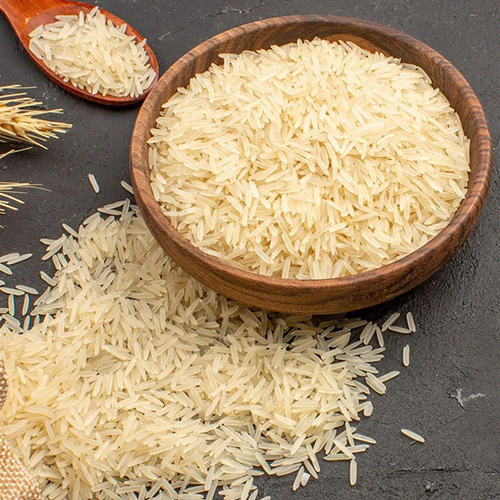
Indian Basmati rice, often hailed as the “King of Rice,” is a premium long-grain variety cultivated exclusively in the fertile foothills of the Himalayas. What sets Indian Basmati apart is its unique geographical indication (GI) status, ensuring that only rice grown in specific regions of North India can carry the prestigious name. It is defined by its extraordinary length, which can double or even triple upon cooking, and its characteristic “nutty” aroma—a result of the natural compound 2-acetyl-1-pyrrole.
The cultivation process is a blend of traditional wisdom and precise timing. The rice is typically aged for one to two years before milling, a crucial step that reduces moisture content, intensifies the aroma, and ensures the grains remain non-sticky and separate after steaming. This distinct texture makes it the gold standard for celebratory dishes like Biryani and Pulao.
Beyond its culinary appeal, Indian Basmati is a powerhouse in international trade. It is highly sought after in Middle Eastern, European, and North American markets for its superior quality and low glycemic index compared to other white rice varieties
2. Yellow Corn
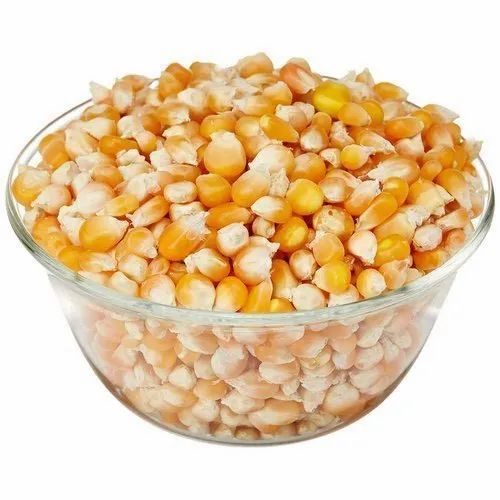
Yellow corn, a vibrant staple of global agriculture, is distinguished by its high concentration of carotenoids, particularly lutein and zeaxanthin, which give the kernels their signature golden hue. While primarily recognized as a fundamental energy source in livestock feed, its role in human consumption and industrial applications is equally significant.
In the culinary landscape, yellow corn is celebrated for its natural sweetness and sturdy texture. It serves as the primary ingredient for a vast array of products, from cornmeal and grit to tortillas and polenta. Because it retains its structural integrity better than white varieties, it is often the preferred choice for frozen and canned vegetable exports.
From a trade perspective, yellow corn is a powerhouse commodity. Its adaptability to various climates makes it a reliable crop for international markets, particularly across Southeast Asia and the Middle East. Beyond the plate, it is a critical component in the production of ethanol and biodegradable plastics.
3. Ground Nut
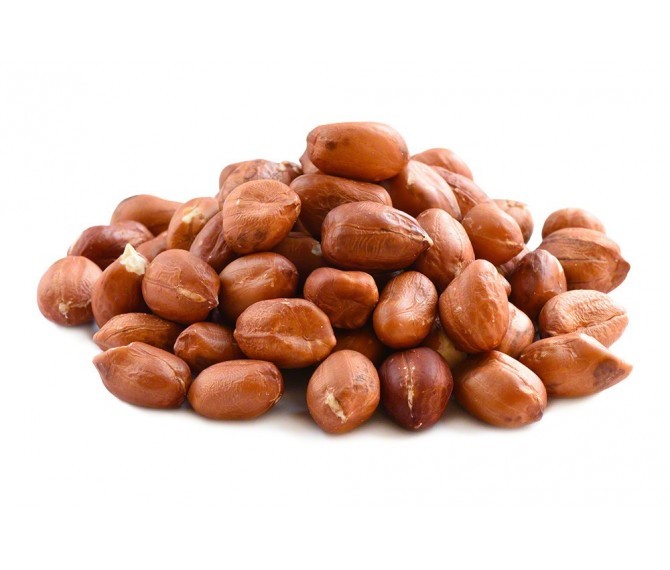
The groundnut, also known as the peanut or Arachis hypogaea, is a unique legume that matures its pods underground. In India, it stands as a vital oilseed crop, thriving in the sandy soils of states like Gujarat, Andhra Pradesh, and Tamil Nadu. Celebrated for its high protein and healthy fat content, the groundnut is a nutritional powerhouse used extensively in both traditional diets and modern food processing.
In the culinary world, groundnuts offer incredible versatility. They are crushed to produce high-smoke-point cooking oils, ground into creamy butters, or used whole to add a crunchy texture to savory snacks and chutneys. Their earthy, rich flavor profile makes them a staple ingredient in global cuisines, from Southeast Asian satay sauces to West African stews.
From a trade and sustainability perspective, groundnuts are invaluable. They are nitrogen-fixing plants, meaning they naturally enrich the soil in which they grow, making them an excellent choice for crop rotation.
4. Dhal
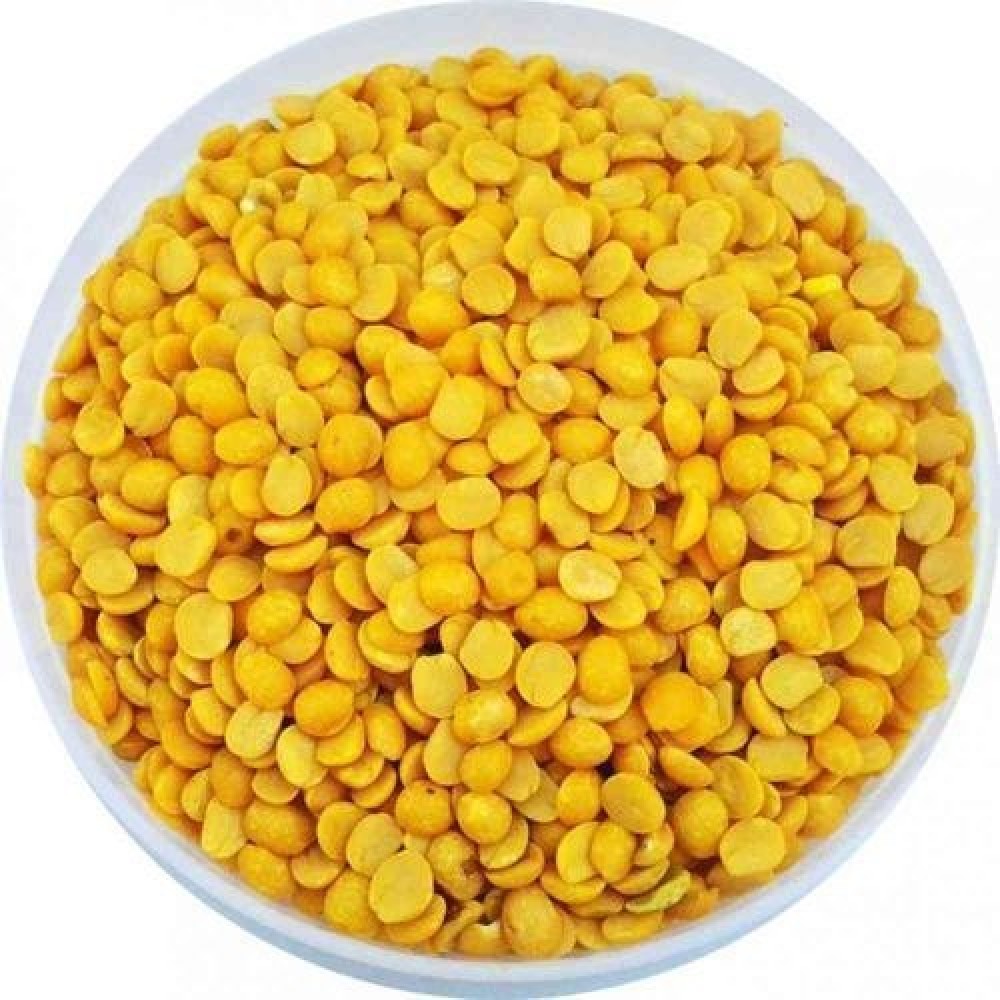
Toor Dal or pigeon pea, is a cornerstone of Indian nutrition and a staple in millions of households. Belonging to the legume family, this pulse is highly prized for its exceptional nutritional profile, offering a rich source of plant-based protein, dietary fiber, and essential minerals like iron and folate. It stands as a quintessential component of a balanced, healthy diet.
Culinary-wise, Arhar Dal is celebrated for its earthy, nutty flavor and its ability to thicken into a hearty, comforting consistency when cooked. It serves as the essential base for iconic Indian dishes such as Sambar, Rasam, and Dal Tadka, often tempered with aromatic spices like turmeric, cumin, and mustard seeds. Its versatility allows it to seamlessly integrate into various regional cuisines, providing both substance and deep flavor.
As a significant export commodity, Arhar Dal is in constant demand globally, particularly in markets with substantial South Asian diasporas.